
Loading...
Serving Bellflower, CA and surrounding areas. (562) 271-9914
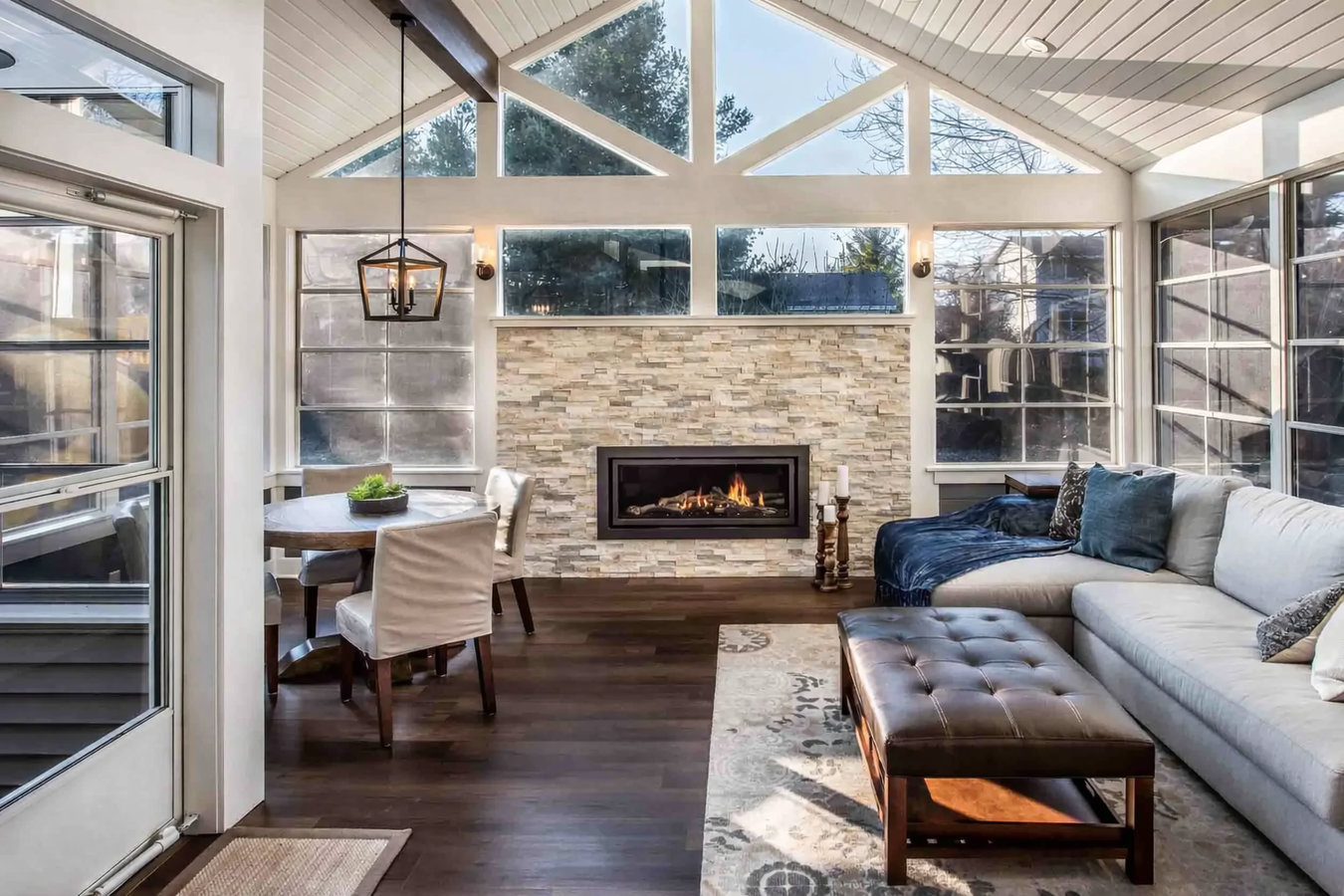
Your deck sits unused for months every year. We assess the structure, reinforce what it needs, and build a permitted sunroom on top of what you already have.
A deck-to-sunroom conversion in Bellflower encloses your existing deck platform with walls, windows, and a roof to create a livable indoor space. Construction typically takes two to six weeks once permits are approved, though the full timeline including permit review is often three to four months.
Unlike a patio conversion where you are starting from a concrete slab, a deck conversion begins with a structural assessment. Most decks were built to hold outdoor furniture and people - not the heavier load of walls, glass, and a roof. Before any walls go up, we inspect the posts, beams, and footings to see what needs to be strengthened or replaced. If you are also considering what to do with an existing concrete patio, our patio-to-sunroom conversion page covers that option side by side.
Bellflower is a seismically active part of Southern California, which means the connection between your new sunroom and the existing house must be built to handle lateral movement during an earthquake. This is a code requirement and a genuine safety issue - not something to negotiate away. A contractor experienced in the LA area will know exactly what is required.
If you walk past your deck all summer without stepping on it because it is simply too hot to enjoy, a sunroom changes how you use your home. Bellflower summers are long and intense, and a shaded, cooled sunroom turns that dead outdoor space into a room your family actually uses. If the deck is already there, the conversion is often more cost-effective than building a new addition from scratch.
If your family has outgrown your home but moving is not in the plan, converting an existing deck is one of the faster ways to add a real room without the full cost of a ground-up addition. A sunroom can serve as a home office, playroom, reading room, or casual dining space - whatever your household needs most right now.
If deck boards are soft in spots, the railing wobbles, or the structure has shifted slightly over the years, you are already facing a repair or replacement decision. Converting to a sunroom at the same time as a structural overhaul can be more economical than repairing the deck first and converting it later.
An aging or underused deck adds limited value to a Bellflower home. A permitted, well-finished sunroom adds genuine livable square footage that shows up in an appraisal and appeals to buyers. If you are thinking about selling in the next several years, a sunroom conversion is worth evaluating as both a lifestyle upgrade and a financial decision.
We build three-season rooms, fully insulated four-season rooms, and solariums - and every project starts with an honest structural assessment of the existing deck before any style or price is discussed. For Bellflower's climate, most homeowners end up choosing a fully insulated room with a connection to the home's existing cooling system because summer heat here makes a lightly insulated room genuinely uncomfortable from June through September. If you are still in the research phase comparing styles, our all season rooms page walks through what full year-round comfort actually requires in this climate.
We also look at how the new room connects to your existing home - the roofline, the exterior wall, and the foundation tie-in all affect how the project is priced and how the finished room performs. Seismic anchoring at the house connection is built into every job we do in Southern California, not treated as an optional upgrade.
Suits homeowners who want spring and fall comfort on a lower budget - note that Bellflower summers will make this style warm without supplemental cooling.
Suits homeowners who want to use the space every day of the year - the recommended choice for Bellflower given hot summers and the occasional cool winter evening.
Suits homeowners who want maximum natural light and a dramatic glass roof - best paired with an HVAC connection given how much sun Bellflower receives.
Suits homeowners who want insect and debris protection while keeping natural airflow - the most affordable starting point for enclosing an existing deck.
Bellflower sits in a seismically active part of Southern California, and any room addition must be anchored to the existing house in a way that handles lateral movement. The California Geological Survey classifies the greater LA basin as a high-seismic-hazard zone, and Bellflower's Building and Safety Division enforces those requirements on every permitted addition. A contractor who is not familiar with California seismic standards may underestimate what the job involves - and that gap shows up in the structure, not in the paperwork. Homeowners in neighboring Paramount and Compton face the same seismic requirements and benefit from a contractor who already knows the local building process.
The majority of Bellflower homes were built between the 1950s and 1970s, and decks added to these homes over the decades were often built without the structural depth needed to support a full room addition. Contractors working in Bellflower frequently discover that footings need to be deepened or posts need to be replaced before enclosure work can begin. We budget for this possibility upfront in our estimates rather than presenting it as a mid-project surprise. Bellflower also has its own Building and Safety Division separate from Los Angeles County, so permits go through city hall - and a contractor who only works in unincorporated LA County may not know the local submittal requirements.
The first call is a short conversation - we ask about the deck size, its age, and what you are hoping the new room will be used for. We reply within one business day and schedule a site visit from there. No sales pressure on the first call.
We visit your home to inspect the deck structure - checking posts, beams, and footings - and measure the space. You receive a written estimate that breaks out structural work, windows, roofing, electrical, and permits. Do not accept a verbal quote for a job of this scope.
Once you agree to proceed, we submit plans to Bellflower's Building and Safety Division. If your property has an HOA, we help you prepare the association submission at the same time - start both processes in parallel, not sequentially, or you add months to your timeline.
With permits approved, we start structural reinforcement, then framing, windows, roofing, and electrical. The city inspector visits before walls close to verify the structure and electrical meet code. The final walkthrough includes checking every window and door before you make your final payment.
We reply within one business day. Written estimate after the site visit. No obligation, no surprise costs mid-project.
Bellflower homes from the 1950s through 1970s often have decks with footings that were never designed for a full room addition. We check the structure at the estimate visit and tell you honestly what it needs - reinforcement requirements are in your written quote, not discovered mid-project when it is too late to adjust your budget.
The connection between a new sunroom and an existing Bellflower home must be engineered to handle lateral movement during an earthquake. This is a California code requirement - not an optional upgrade. We build the house connection correctly on every project, and the city inspector verifies it before the job is closed out.
Bellflower has its own Building and Safety Division - not a county office - with its own submittal requirements. We know the local process and submit complete plans the first time to avoid back-and-forth that adds weeks. Your finished room is fully permitted, fully inspected, and on record with the city where your home is located.
You receive a written, itemized proposal before any work begins. Structural reinforcement needs identified at the site visit are included in the estimate - not added as a change order after framing has started. What we quote is what you pay.
The National Association of Home Builders notes that sunroom additions are consistently among the home improvements buyers notice and respond to in markets like Southern California, where indoor-outdoor living is a key selling point. A permitted, well-built room reinforces that value. An unpermitted one can complicate a future sale or require costly retroactive work.
Explore what full year-round comfort looks like in Bellflower's climate - heating, cooling, and insulation options explained.
Learn MoreHave a concrete slab instead of a deck? This option covers slab-based conversions with their own assessment and timeline.
Learn MorePermit slots in Bellflower fill up ahead of the busy season. Call or request a free estimate today and we will schedule your site visit within the week.